



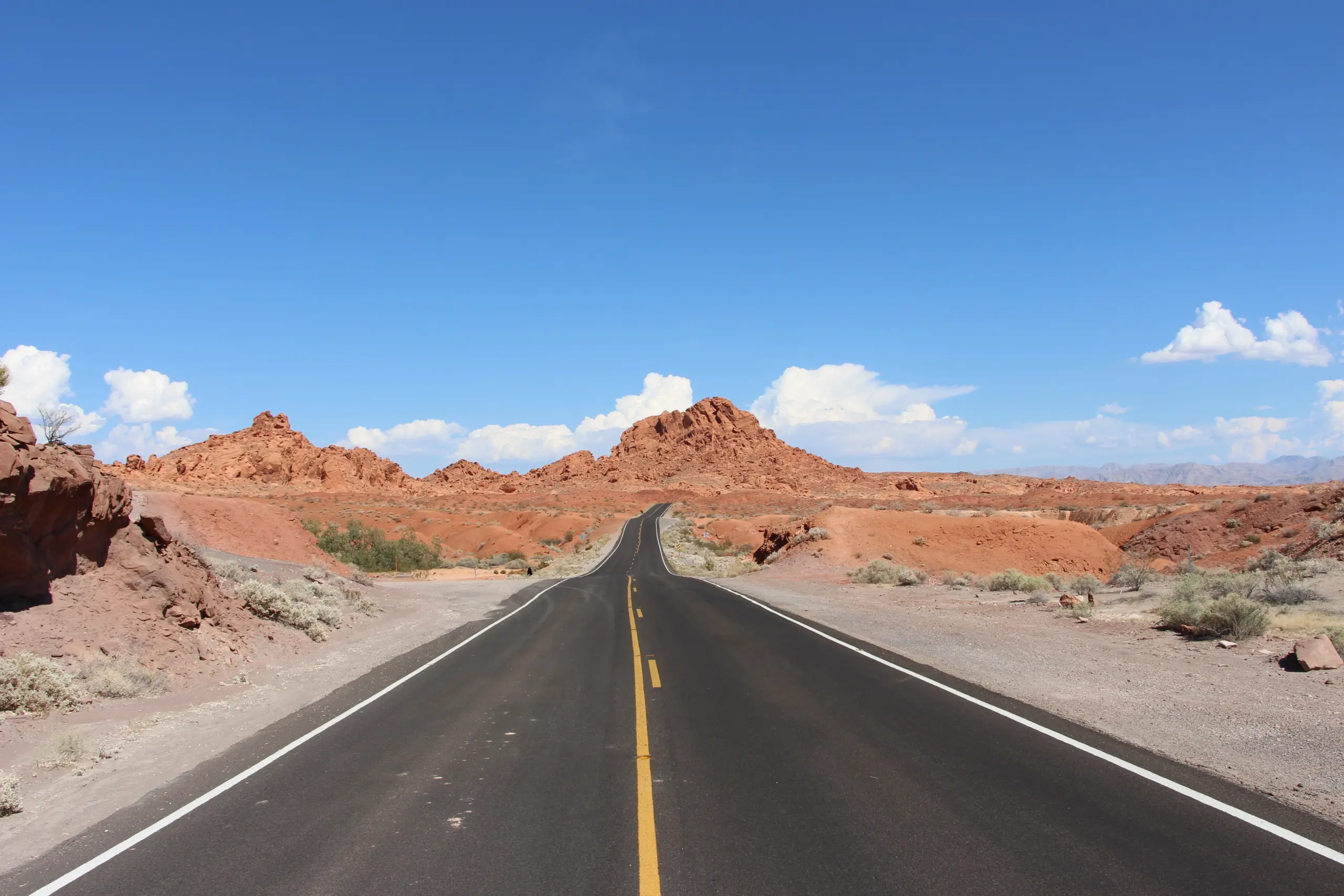
On the road. On the go. On the move. It's no coincidence that Americans have so many expressions for being on the move.Anyone who has ever driven west on a highway knows that it's more than just driving. And it happens again and again.
But even for first-time visitors, the USA offers familiar and unfamiliar highlights in the vast, wild West. And what better way to discover it than the quintessential American way of traveling: a motorhome tour through unique landscapes, magnificent scenery, and unforgettable cities.
Yes, you know – almost – every stop on such a trip through the western United States, even if you've never been there. TV, social media, photos from friends. Is it really still worth going there yourself? Just to experience the real thing? When I made my first trip to America 30 years ago, everything was still very exciting. All I knew were the images broadcast on television. And I wanted to see for myself. Back then, I traveled across the country in a small car with a tent. From west to east. Around 10,000 kilometers. And I was infected. By the diversity, the contrasts, the natural monuments. By the ups and downs of this country where nothing seems to last forever, where everything is constantly changing and yet also constant. Where retirees in shorts and sandals eat breakfast at McDonald's and tattooed Harley riders greet them cheerfully. And where the cashier always asks "How are you?" and other employees pack the groceries into bags. Where restrictions and freedom are so close together. Many years and trips later, I'm still a fan of the USA. But today I like it a little more comfortable and prefer to travel by rental car or, as a camping fan, in a motorhome.
Hot deserts, red rocks, green forests
50 degrees in the non-existent shade. The air shimmers with heat. After a quick photo stop, we abandon our original plan to spend the night here in Death Valley. We are right in the middle of America's adventure playground. From Los Angeles, we drove up California 1, past enchanting bays and surfers, stopping at magnificent lookouts and charming little towns. We end up in Cambria in the middle of the Labor Day parade. Dogs in Union Jack outfits, seniors with folding chairs on the street, beer in coolers next to them, brass bands from local high schools. In the evening, live country music at a small winery. Here we meet Henry and March. They are also traveling by RV – but their camper looks like a small home on wheels. "Where are you guys from?" It's easy to strike up a conversation here. Henry and March sold their house when their children grew up. Since then, they have been living in their RV, staying wherever they like. You want to go to Death Valley? In late summer? They just shake their heads.
In Yosemite Valley, we share the campsite (without facilities, i.e., no water, electricity, or washrooms) with just two older gentlemen. Our neighbors spend a few days in the wilderness every year. Small talk while washing up at the stream. The feeling of being in the middle of the wilderness is indescribable. And, of course, calls for a BBQ around the campfire. Only the search for a lighter proves difficult. But our nice neighbors immediately help out and seal the friendship with "Let's have a beer."
We reach Las Vegas at dusk. We drift along The Strip, taking in the whole garish, loud, yet fascinating city. After so much nature in Yosemite and Sequoia, surrounded by forests, bears, and lakes, it's quite a change. After pristine wilderness, an artificial cosmos in the middle of the Nevada desert. From here, it seems only a stone's throw away on the map to the world of canyons.
We think we know this world of the Wild West. From the news, from movies, from country songs. But when you first see the Grand Canyon or feel the vastness of the desert, you can't help but be in awe of these natural wonders. That's what makes the natural monuments here in the Southwest so special: your senses open up, making room for the play of colors in Bryce Canyon, the spouting geysers in Yellowstone, and a recurring feeling of freedom. At a quiet lake somewhere on Route 49 towards Fresno, we meet an American family. It's peaceful here; it's not a place that's described in travel guides. If you drive through the country with your eyes open, you'll discover such unspoiled spots even during the high season. They want to know if we had to save up for a long time for this trip. They've never left the country. A Sunday here at the lake would be their vacation. We spend the whole afternoon together and are invited to a barbecue. We get steaks from the butcher in the neighboring small village. They are four fingers thick and about the size of a pizza. Just like everything else in this country, which seems to be bigger.
The West is an Eldorado of national parks. One natural wonder borders on the next, and yet they are all so different. The impressive Mount Whitney or the giant sequoias in Sequoia National Park. The butte of Monument Valley or the dunes of White Sands. The man-sized cacti of Joshua Tree. Encountering the forces of nature and these immeasurable expanses pushes reports of natural disasters or dubious gun laws into the background. Some of the topics pushed by the media fade away when you encounter the country directly, providing a certain degree of comprehensibility or even understanding. That a farmer in Texas keeps a gun in his closet because of encounters with rattlesnakes. That a member of an indigenous minority ensures his survival with somewhat dubious methods. Or that marijuana can be legally purchased in coffee shops in Colorado to reduce illegal deals in dark alleys.
As we embark on the long drive along Interstate 40 towards Los Angeles, calm descends. Here, there's no need to visit a cannabis shop beforehand to find inner peace. There's something meditative about driving through this steppe-like landscape. Those looking for a little variety amid so much nature will find it in old, patriotic Western towns, on Hollywood Boulevard in L.A., or at Pier 17 in San Francisco. The spirit of the past is evident in dilapidated ghost towns or on Route 66. Lifestyle is reflected in the graffiti of Venice Beach or a rodeo in Flagstaff.
But no matter where you go in this country, there is nothing that doesn't exist. Everyone will find something they like, take a piece of the American way of life home with them, and discover that many things really are just like they are on TV. And many things are not. There is only one thing that is always missing on a tour of the western United States: time.
©Susanne Pinn